
JINHE JHZG brand Lower temperature vacuum drying box
I. Application Scope
Vacuum drying lowers the boiling point of the material solution, accelerating drying at low temperatures without introducing impurities. As a static vacuum dryer, the shape of the dried material is not damaged. It is suitable for low-temperature drying of heat-sensitive materials that are easily decomposed, polymerized, or deteriorated at high temperatures; widely used in pharmaceutical, chemical, food, and electronics industries. It is particularly suitable for drying extracts with high sugar and water content.
II. Product Features
The heating rack of this vacuum drying oven is designed and manufactured as a tubular hot water heating type. The temperature is controlled by an intelligent temperature controller and solenoid valves, achieving energy savings and reducing production costs.
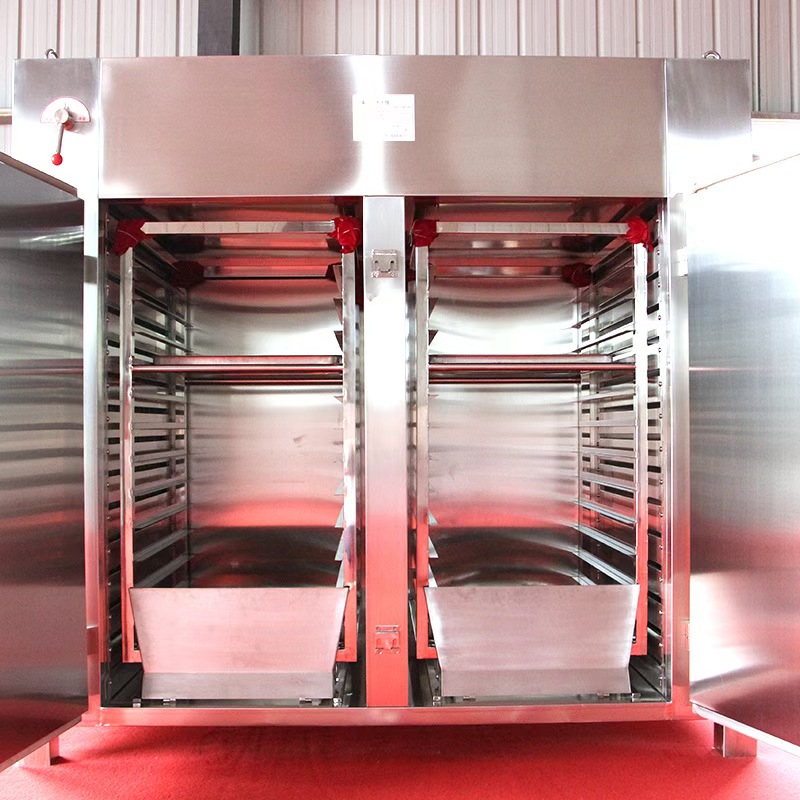
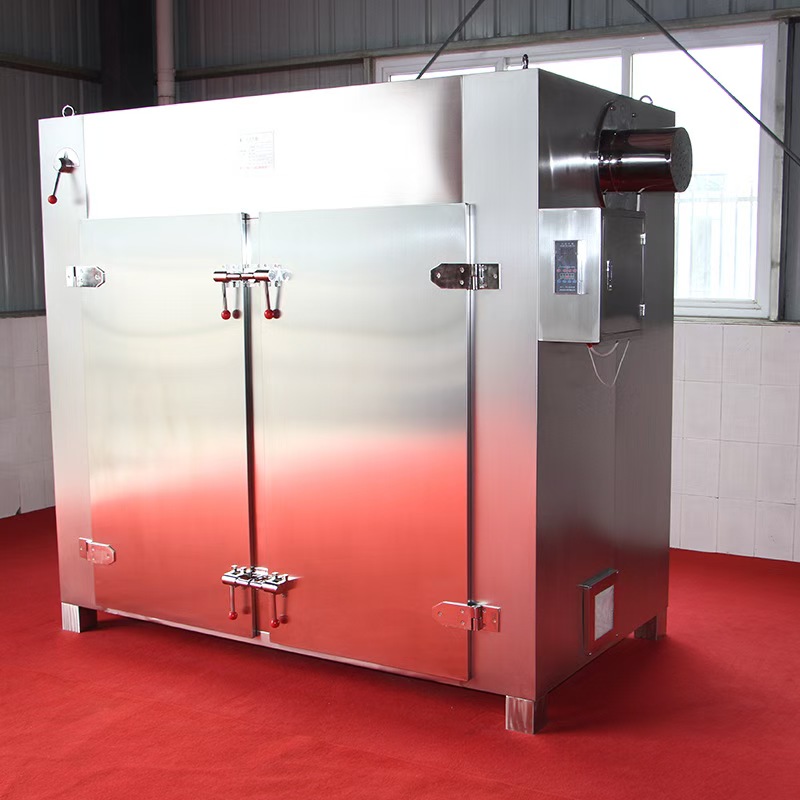
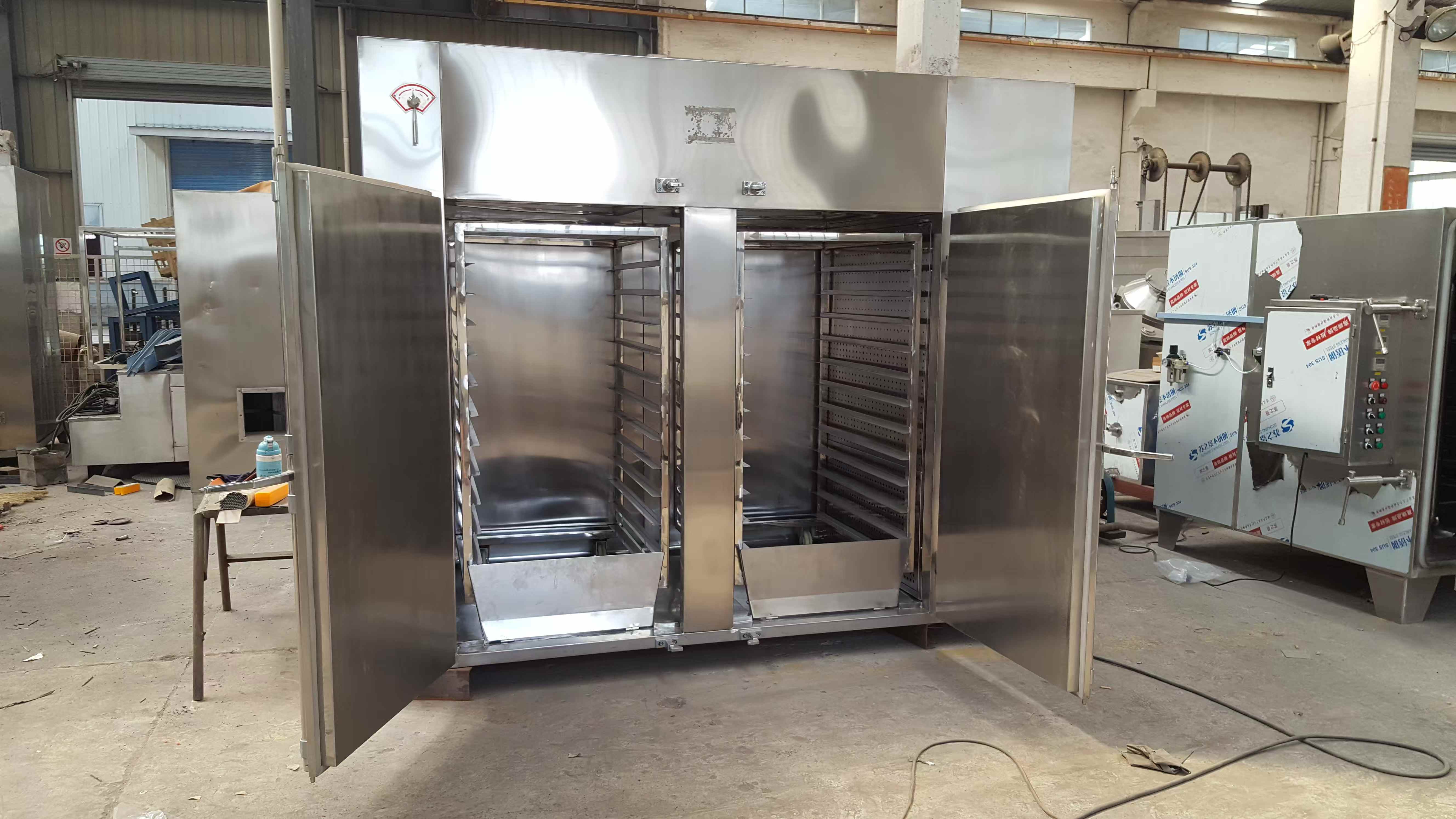
This drying oven mainly consists of the oven body, heating system, vacuum system, and electrical control system.
III. Oven Body:
1. The inner wall of the oven is made of 304 stainless steel plate with a thickness of δ6mm, fully welded, and the surface is precision ground and polished. The oven body is reinforced with 8# channel steel welded in a "well" pattern on the outer wall of the inner chamber, ensuring high strength and preventing deformation during vacuum operation. After completion, it is lined with 80mm thick aluminum silicate fiber insulation material. The outer casing of the oven is made of 1.5mm thick SUS304 stainless steel plate. Four Φ150mm tempered glass viewing mirrors are installed on the door and back for continuous monitoring of the oven's internal workings.
2. The top of the oven is semi-elliptical with rounded corners, ensuring smooth and uniform temperature distribution during heating. This overcomes the drawback of traditional square vacuum ovens where the top trays containing materials are difficult to dry. It also facilitates the flow of moisture generated during drying, allowing it to drain from the sides to the bottom of the oven through the drain port.
3. The vacuum interface of the drying oven is located at the top of the chamber and has a diameter of DN50.
4. A water-retaining plate, 50-60mm high, is welded to the outer edge of the bottom plate near the door. This prevents water from flowing out of the bottom of the oven when the door is open, forcing it to drain through the drain outlet, thus ensuring cleanliness of the operating area and effectively removing water from the bottom.
5. The bottom of the oven is also semi-elliptical, allowing moisture droplets generated during drying to flow towards the center of the bottom and drain out through the drain outlet, improving drying efficiency.
6. A water collection trough is installed on the lower inner wall of the door to prevent water from flowing out of the door when it is opened.
7. Production capacity: Maximum drying capacity per batch: 80kg (2.5kg loading capacity)


 ENGLISH